The nectar flow in our area is over. I’ll miss going into the colonies with minimum protection and maximum tolerance by the bees. We enter into the phase of beekeeping where we need to be on our game as we take care of our bees. And we also need to keep ourselves safe. So here are a few tips to keep you safe during the summer beekeeping season.
1- Hydrate before, during and after inspecting. I know I can work up a healthy sweat just walking out of the house on hot and humid days. Add beekeeping protective gear to the equation and that sweating may not be healthy! So, remember to hydrate before you head out to the hives. And have something to replenish the fluids and electrolytes with you during and after an inspection. Just remember to drink through your veil unless you step away from the sting zone!
2- Work during cooler hours. Common advice is to work bees between 10am and 2pm. The idea is to inspect when the foragers are out foraging. Makes sense until the outside temps are rising higher than the optimal flight temps of 66-86 degrees. At these temps there may be more foragers in the hive during the hottest part of the day. They also get irritable when it’s hot out! So, make it easy on yourself and perform hive inspections in the cooler mornings or late afternoons.
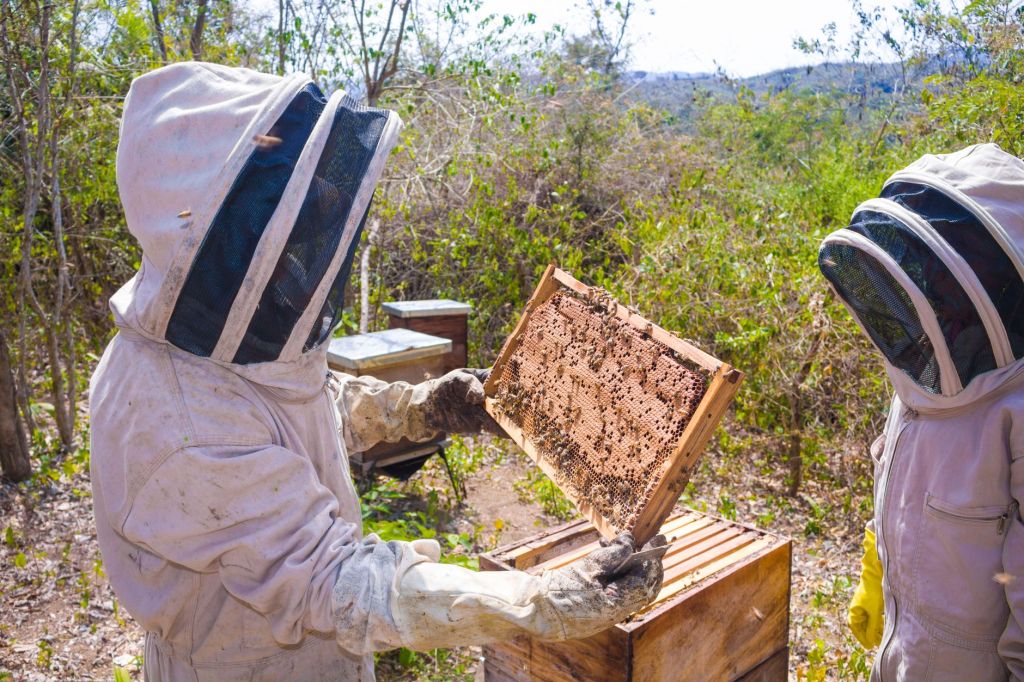
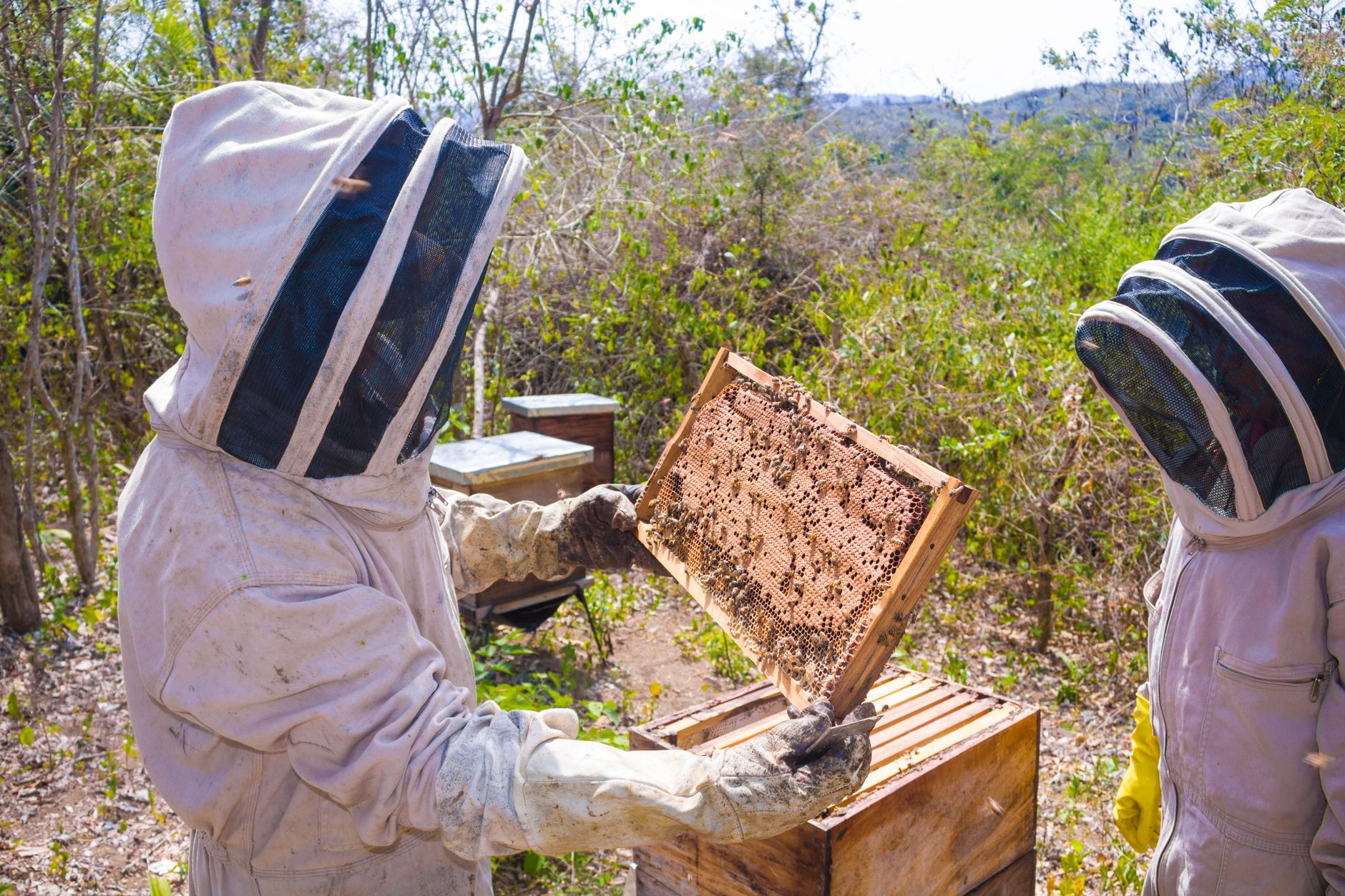
3- Choose your protective gear to maximize airflow. Not all beekeeping protective gear is equal. Even ventilated jackets can be hot. I had a 3-layer jacket and it wasn’t too cool unless the winds are whipping pretty good. I’ve replaced it with an ultra-lite option and it’s much cooler.
4- Take breaks. Not much to elaborate on here. Take some time to recharge and rehydrate during inspections. For most of us this is a hobby. And if you’re a sideliner or commercial beekeeper then you’ve already got this one figured out.
5- Recognize heat exhaustion. Signs of heat exhaustion include: excessive sweating, weakness, skin changes (cool, pale, clammy), dizziness and cramps. If you experience these signs, take active measures to cool down as quickly as possible. Find some shade or AC, hydrate (sounds familiar), loosen clothing and make sure you have someone available to help in case symptoms persist or worsen.
6- Extinguish smoker completely. Usually, I’m fighting to keep the smoker lit! But once it gets properly lit it can smolder for a long time. After use, empty it into a fire pit until spent or block the spout and set it on a concrete or brick surface until it’s cold. Or better yet place it into a fireproof box to extinguish it. And store your smoker safely. While using it keep the smoker off the ground to avoid starting a fire. Again set it on a brick or hang it from the hive body.
7- Manage bee temperament. Expect increased defensiveness now that the honey flow is low and the temps are high. The bees will be quicker to take to the air with stingers at the ready. Even walking within 2-3 feet of a beehive can result in a sting due to the decreased tolerance of the colony overall. Inspect your hives with intention. Know what you need to accomplish and get to it. Don’t linger any longer than necessary. For example, if you need to check that a queen was mated then once you see eggs end the inspection. Don’t spend extra time looking for that queen. The longer you are in the hive the greater the chances your going to take a sting. They want you out of there! The second reason is that you can kick off a robbing frenzy with an open hive during a dearth period. And while working your bees use smoke, but don’t overdo it. Puffing a bunch of smoke can actually have the reverse effect and stir up the bees. Small, quick puffs to direct them and calm them is much better than billowing clouds of smoke.
8- Finally, use the buddy system. Keep your cell handy in case you get into a situation and need help. Better yet, a system I use is to send my wife a text letting her know when I’m going to inspect and when I should be finished. I send a text when I’m out. If that second text doesn’t go out I get a call or text. If there’s no answer then she assumes a problem. It’s just cheap insurance and peace of mind. And who doesn’t carry a cell phone?
Bee safe and smart as you get your bees through the summer and we’ll discuss getting them overwintered before too long! Happy Beekeeping!
– Contributed by John Kasprak, CCBA Director and Master Beekeeper
 Cumberland County Beekeepers Association
Leave a comment