
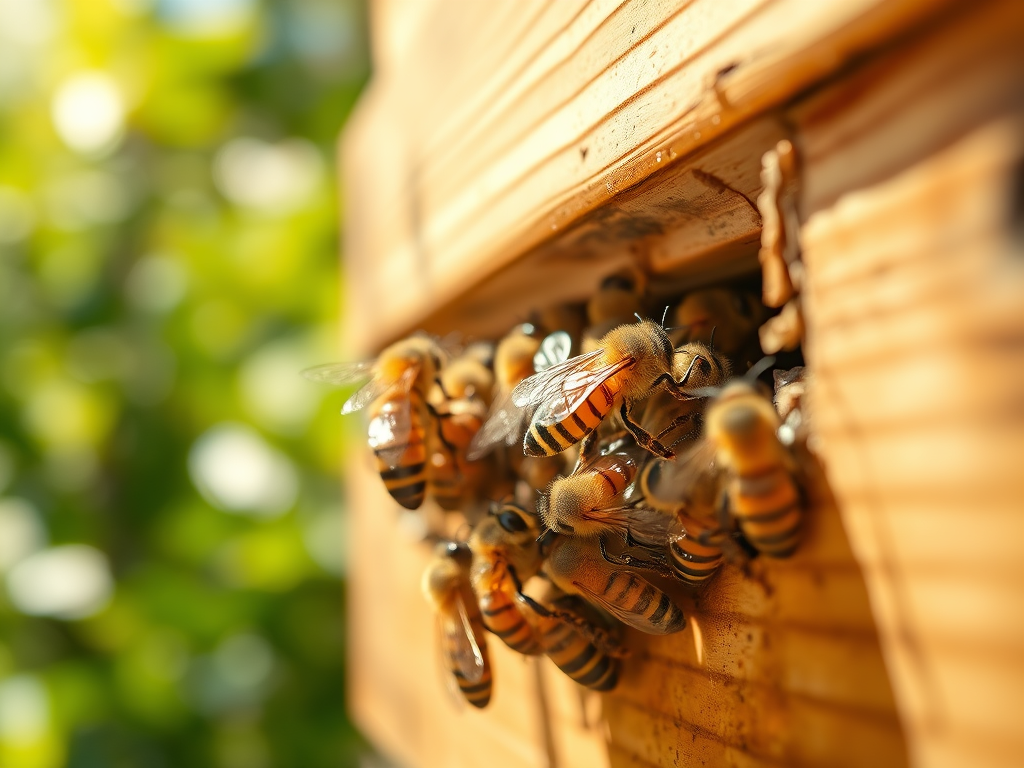
We’ve turned the corner and our bees are transitioning from winter to spring. The red maple is in bloom and that is one of the key stimulators for the bees to ramp up production. Anticipation, excitement and trepidation are in the air for us as beekeepers for the next few weeks. This is a critical period for the colony as more colonies die of starvation in February or March than any other period during the year. Why? Let’s explore what’s going on inside our hives.
First, the incoming fresh pollen is stimulating the queen to begin laying more and more eggs. In three days those eggs transform into larvae and those larvae need to be fed. Remember those diutinus bees … otherwise known as winter bees? Many are going to nurse the brood through development. Second, some of those bees will undergo a physiological change and become foragers. They will begin to die off, and pretty quickly. That’s going to result in an adult bee population decline just as the brood nest is expanding. Third, as the new bees emerge from the cells they start nursing duties, which relieves the winter bees of these duties. This speeds up the die-off of the winter bees, so the colony is transitioning from a winter bee population to a spring/summer bee population.
As the turnover continues, the colony is using a lot more honey along with the pollen to feed the growing new bees. Providing they have enough reserves in the hive to make it to the nectar flow, all is great. However, with the fickle weather they could run short of food or if it gets cold enough may not be able to keep the brood warm. This is where we come in – the keepers of our bees. We need to provide for any shortcomings.
Spring management is critical for our hive’s survival and thriving, and begins shortly after the winter solstice. Early spring management is making sure the bees have enough food for survival. This is a quick check and not a frame-by-frame inspection. Mid-spring is a bit more in-depth for inspections but still focused around survival. It includes our first thorough inspection of the colony as well as continued feeding. There’s still not enough incoming resources to keep them growing so we may need to help them along. Finally, there’s late spring management. This time is really about keeping ahead of the bees as the nectar flow should be in full swing and potential for swarming at a maximum. We focus on keeping the hive supered so they have enough room to store the incoming nectar and work to prevent swarms. Our weekly inspections should ensure the bees have plenty of room, where they can live happily in the hives and out of the trees.
– Written by Journeyman Beekeeper John Kasprak


Leave a Reply