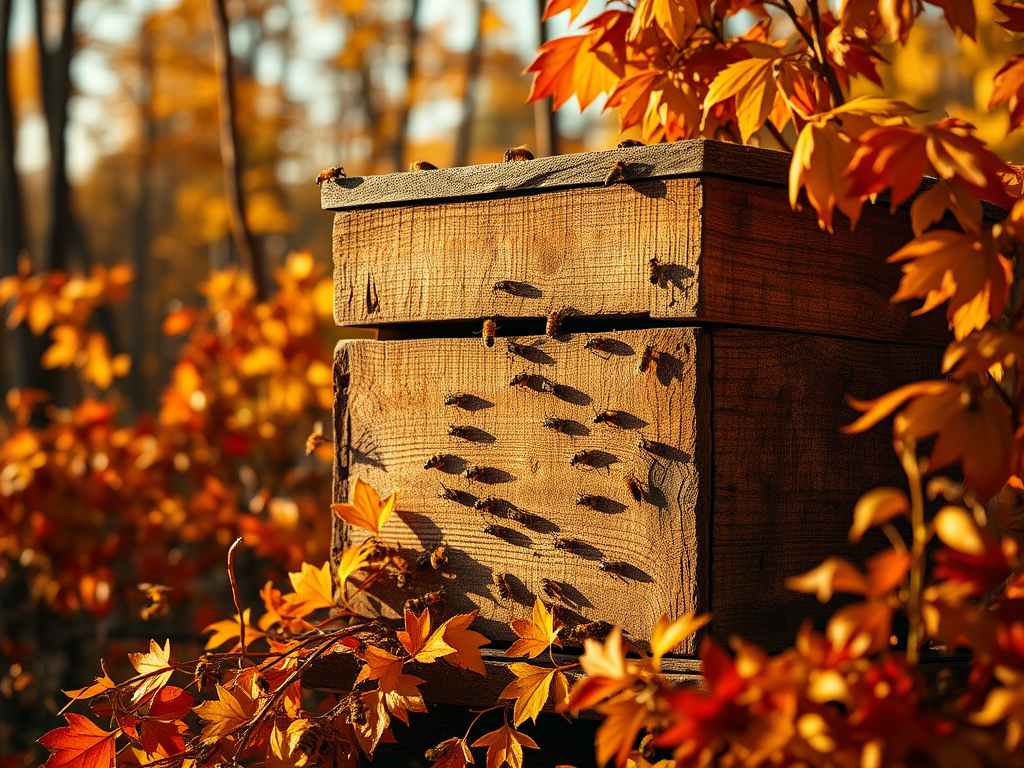

Fall is here and we are finally getting some cooler temperatures along with the shorter daylight hours. The bees sense this and are already preparing the nest for overwintering. Actually they have been doing it since the first swarms issued in the spring. We’ve managed to interrupt their preparations all spring and summer by checking on them weekly. It’s a critical period for the bees so we can’t slack off now … right?
Well, in a manner of speaking, it’s time to slack off. First, our inspection cycle should be reduced to the absolute minimum. We can create more problems than we can solve at this point in the season by constantly checking the hives. If you accidentally roll your queen it’s too late for them to raise a new one and have her get mated in time for the colony to recover. Also, mated queen availability is almost non-existent now. Thirdly, if you leave a frame of honey out during an inspection it doesn’t take long before every bee in the neighborhood is on it for a free meal. And that can lead to a robbing frenzy which can overtake and decimate a weak colony.
But that doesn’t mean we just let them be. So what SHOULD we be doing? If you haven’t already assessed the colony of the basics then by all means do a quick inspection to assess the queen, pest and disease pressure and resources. Here are some tips to help make it as quick as possible:
- Once you see the queen or eggs you know the colony is queen-right and there’s no need to look further. Usually eggs are easier since they don’t move around! It helps to have a small flashlight and look straight down into the cells. Or better yet take a photo with your cell phone and expand it out.
- You can tell if the hive is short on resources by lifting the back of the hive. You can use your hive tool and pry loose the back and then try lifting with 2 or 3 fingers. If you can’t lift it then they probably have enough stored honey. If it’s feather light they might need feeding. It’s not very scientific but gives a clue before opening.
- When first opening the hive, assess 2 things: bee coverage and pests. I like to have at least 60% bee coverage on the frames and prefer more. It they are not covering at least 60% then consider reducing the space. And if a bunch of small hive beetles are running around then it might indicate pest pressure and call for some action.
If you’ve assessed the colony and they are cruising along – great! We just need to keep them fed and let them raise the winter bees that will take the colony through winter. You can feed syrup for the next several weeks as temperatures should be mild enough. And after you may want to put a candy board on them for some added insurance. You can learn about making candy boards at the October meeting – see you there!
– John K.
 Cumberland County Beekeepers Association
Leave a comment