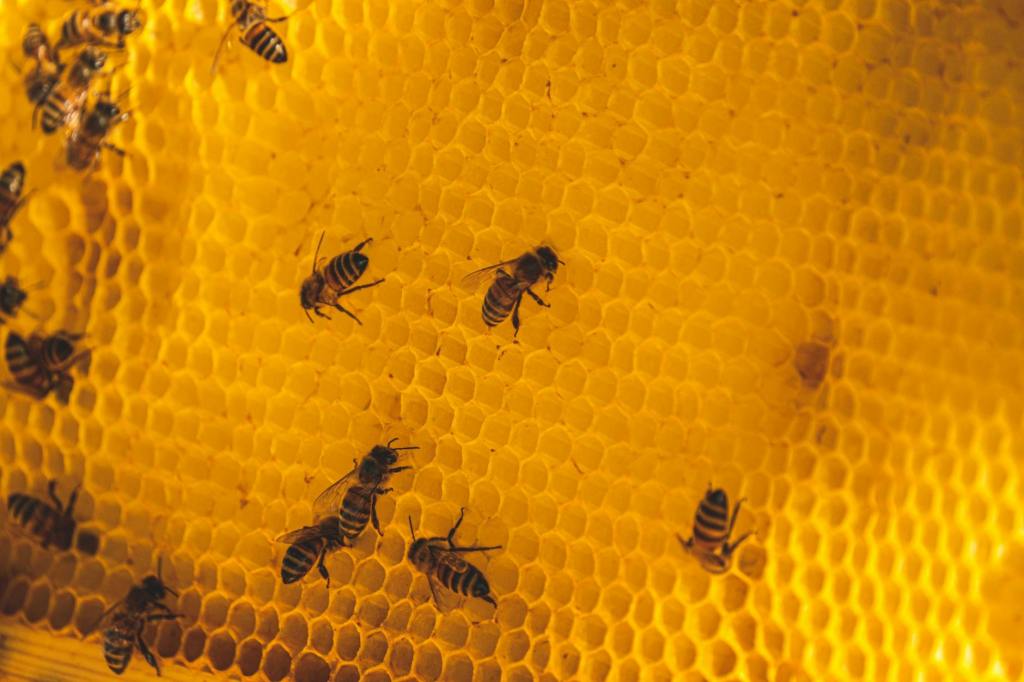
With spring coming about 20 days early this year, so to is the Dearth. Dearth is the time of the year where there are very limited nectar resources for honeybees because there are few to no nectar-producing plants this time of year. Typically beekeepers can look for the Dearth sometime around August, but this year, we are likely already approaching this time period…particularly with the onset of a flash drought throughout much of North Carolina. During the Dearth, honeybees tend to get agitated as they are not finding their food, and because there’s no nectar coming in bees are idle in their work. Also because of the lack of nectar, generally the queen bee is less stimulated to lay eggs. Nectar/honey robbing is also at a critical point during this time, which can cause hive death and the spread of diseases.
So what’s to be done? To get your bees through the Dearth, first inspect the hive to ensure that less nectar is in fact coming in to the hive. Depending on where the hive is located, beekeepers may in fact have more nectar supplies than they realize and not need to supplement feeding. If your hive is in fact in dearth, you will begin to see their stores being depleted and the bees will have a tendency to be angry. At this point, you will need to consider a feeding option in order to keep your bees from starving. A simple 1:1 sugar to water ratio syrup can be fed to bees to keep their carbohydrate stores afloat until the fall nectar-producing plants (such as goldenrod, _____, etc.) begin to flower. There are many ways in which you can feed this sugar water, and all have their pros and cons. Frame feeders, hive top feeders, jar trickle feeders, external feeders…the list goes on and on. The biggest thing is you want a feeding solution that does not attract robbers. If your hive is strong enough to combat robbers, it can handle a more exposed feeding solution. If the hive is weak, has swarmed and is still rebuilding, etc. you may need to be more protective of your feeding.
If you find that the bees are not consuming your sugar water, chances are they are bringing in ample supply from elsewhere. Feeding can also prevent your bees from wandering over to the neighbors yard or local gas station to investigate those soda cans left out.
Almost as important as sugar water is water itself. This week, I’ve seen my bees hovering around bird baths, puddles from watering flowers, and generally any water source just to try to collect water. Water helps to cool the hive through a fanning process that the bees use like air conditioning. It can get pretty hot in the hive in the summertime, and with the spike in temperatures lately, it’s no wonder why these girls are upset. Apart from feeding sugar water, providing the bees with opportunities to find water would be helpful as well. Shallow dishes with “bridges” or items to keep them from drowning while collecting water are excellent. The bees will travel a great distance to get water, so no need (in fact, don’t) to put the water dish right next to their hive- they won’t bother with it.
I hope you’ve found these tips helpful for beekeeping in July. Happy ‘Keeping!
 Cumberland County Beekeepers Association